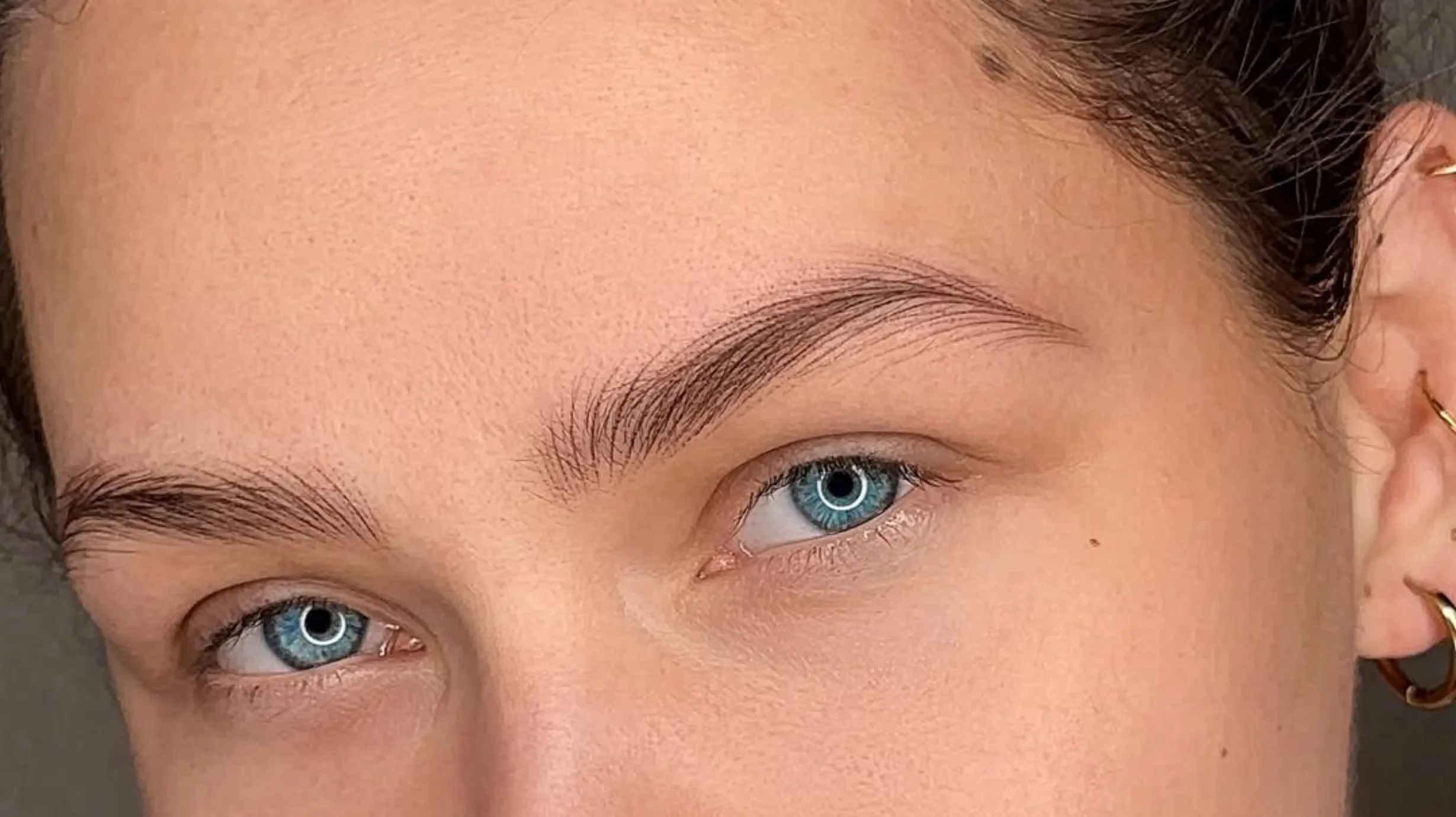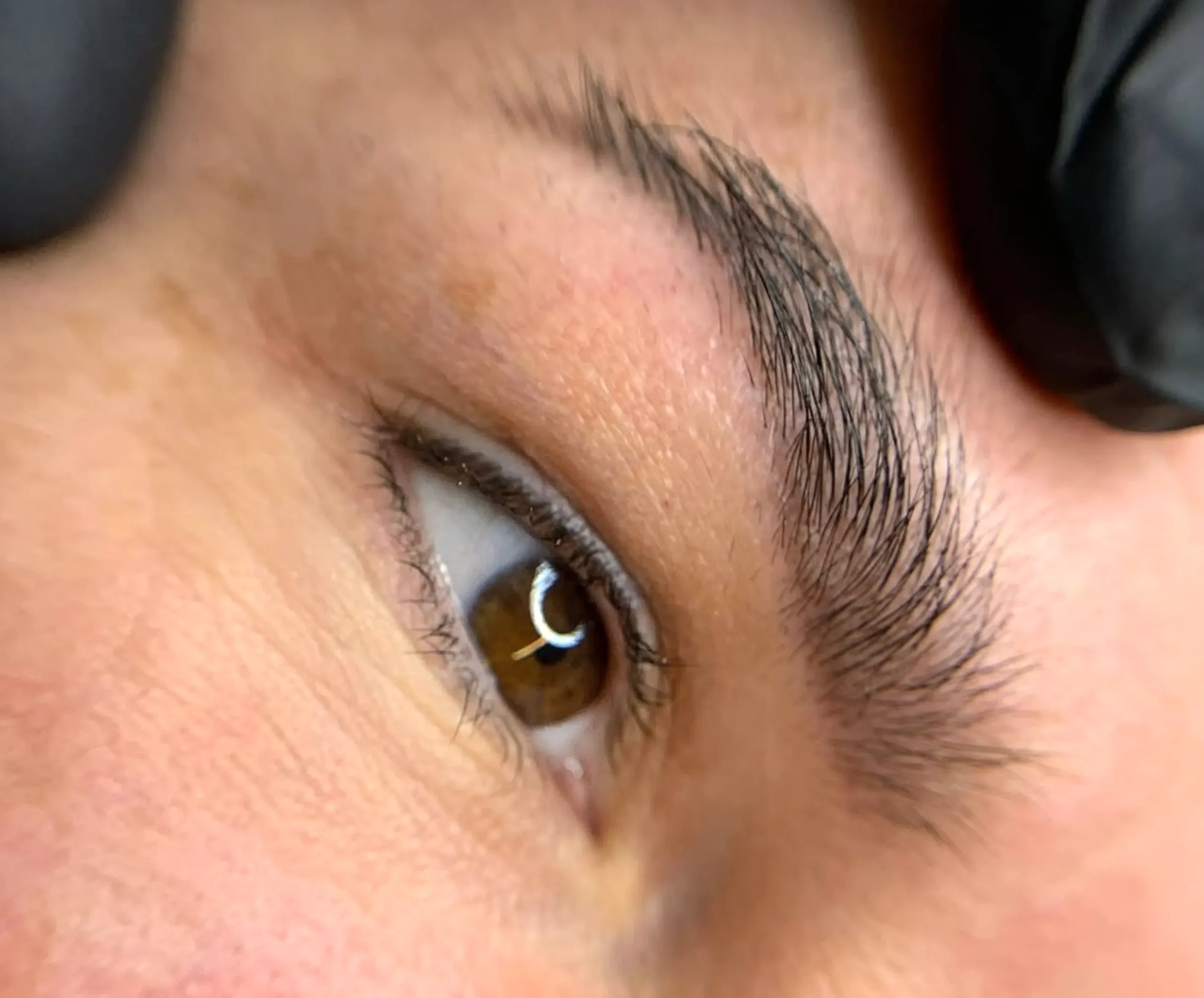
If you’ve Googled Can an eyeliner tattoo damage the eyes?, you’re not alone. It’s one of the most common questions I get here at Face Figurati in Melbourne. And honestly, it’s a fair question — we’re talking about cosmetic tattooing right near your eyeball after all. I’m Olha Po, a licensed tattoo artist who’s been specialising in permanent makeup for nearly a decade, and in this guide I’ll break down the risks, benefits, tattooing process, healing process, aftercare instructions and everything in between. No scare tactics, no sugar-coating — just the facts, salon stories and expert advice.
Why People Choose Permanent Makeup for Their Eyes
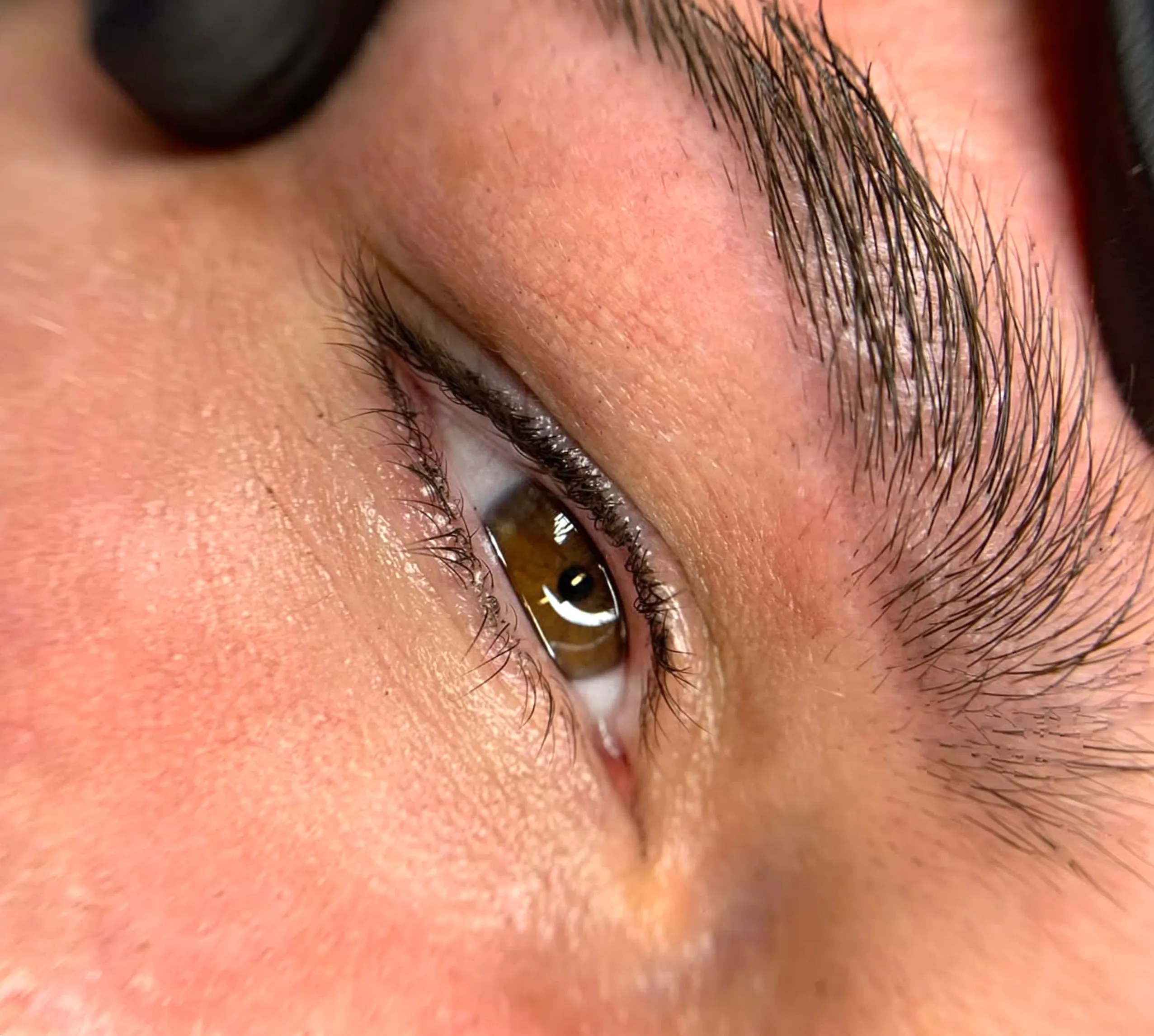
Smudged pencil, uneven wings and running late to brunch — sound familiar? That’s where permanent eyeliner tattoos come in. The cosmetic treatment offers a long-lasting line that doesn’t wash off with rain, tears or Melbourne’s humid summer days. Many of my clients choose it for convenience, but others come in because of vision loss, ocular symptoms or skin sensitivities caused by cosmetic products. Some struggle with dry eye or dry eye syndrome linked to contact lenses or allergies to makeup. For others with mobility issues or tremors, semi-permanent eyeliner tattooing becomes more than just a cosmetic option — it’s a lifestyle change. At Cosmetic Tattoo Studio Melbourne Face Figurati, we customise each cosmetic tattoo to suit your natural features, lifestyle and skin type.
Is There Real Risk of Eye Damage?
Here’s the honest answer: yes, there is a risk, but when permanent eyeliner is performed by a qualified tattoo artist using safe tattoo pigment and sterile tattoo machines, the chances of long-term damage are very low. The pigment sits in the skin along the lash line, not in the eye itself. The main risks include allergic reactions, inflammatory response, bacterial infections or mild corneal abrasions from rubbing — all of which are manageable with proper aftercare guidelines. Eye infections, pigment migration or granuloma formation (tattoo granuloma) are rare but possible. True ocular injuries like corneal ulcers, scar formation or visual impairment are extremely uncommon, especially compared to risks in conjunctival tattooing or scleral tattoos (which involve the eye surface itself). Choosing an experienced professional in cosmetic tattoo Melbourne clinics like ours reduces these risks dramatically.
Hygiene Standards That Protect Your Eyes
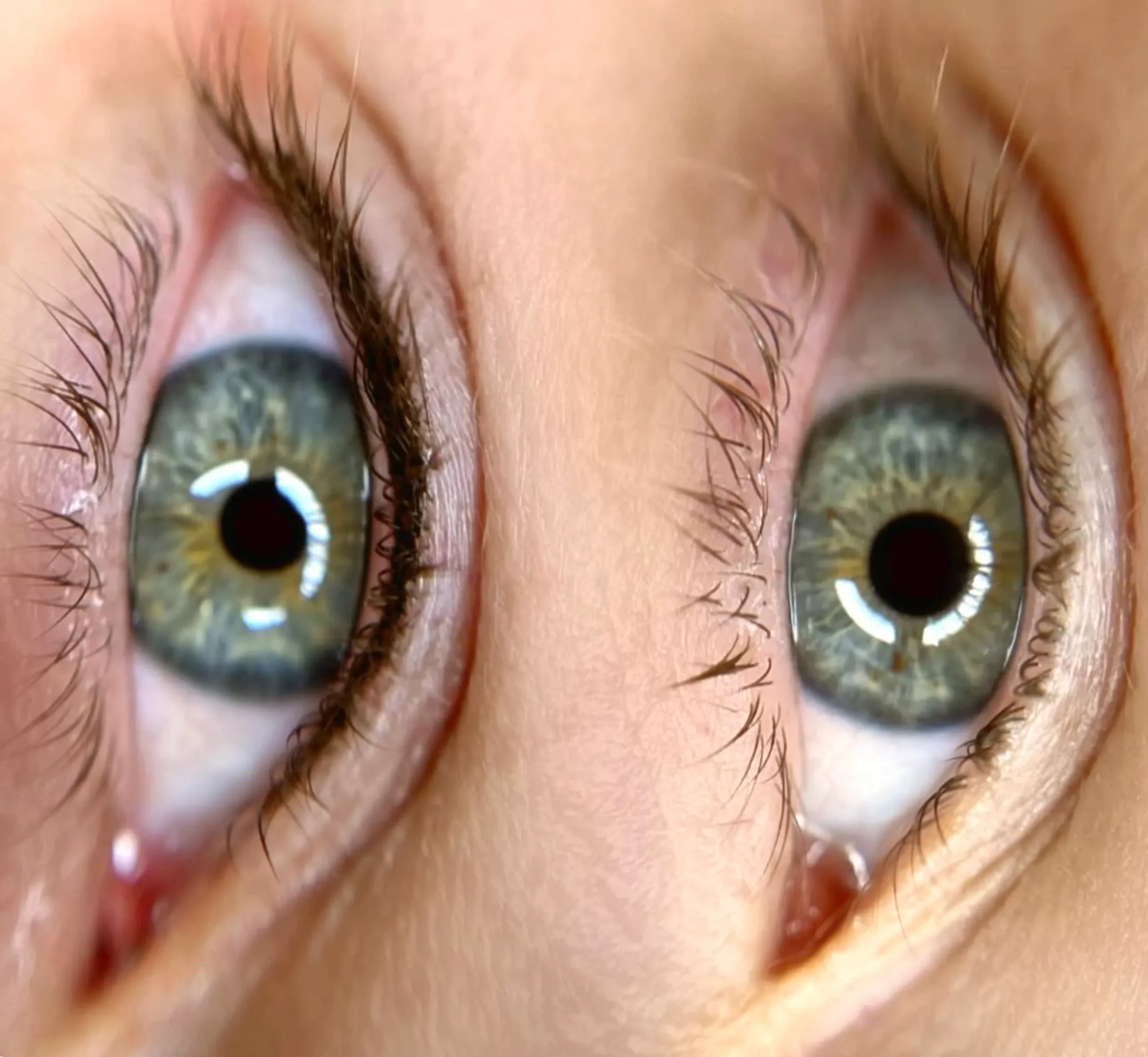
Your eyes are delicate, so hygiene isn’t negotiable. In Melbourne, licensed cosmetic tattooing studios must follow strict health regulations. At Face Figurati, we use:
- Single-use needles and sterile needle technique
- Hospital-grade sterilisation
- Australian-approved ink formulations and tattoo pigments
- Protective measures for tear film stability and ocular surface safety
I also use magnifying loupes during the tattooing process to ensure precision and prevent ink migration or pigment diffusion. These protocols reduce the risk of ocular injuries and inflammatory response.
What the Tattooing Process Actually Feels Like
Most clients are surprised by how tolerable semi-permanent eyeliner tattooing is. A numbing cream keeps discomfort minimal, and the buzzing of the tattoo machine is often more distracting than the sensation itself. Some describe it as a tickle along the lash line. The eyes may water due to tear film disruption, but that’s normal. The tattooing process takes 1–2 hours, depending on style, whether you’re going for a subtle invisible liner, lash enhancement or a bold winged look. Many artists now train through an eyeliner tattoo courses to master safe technique and pigment control.
Common Myths About Permanent Safety
- Myth 1: The needle touches the eyeball. False — eyeliner tattoos place pigment in the skin, not on the ocular surface.
- Myth 2: Tattoo ink leaks into the eye. With correct needle technique, ink pigments remain under the skin and don’t diffuse into the tear film or anterior segment.
- Myth 3: Everyone heals the same. The healing process differs depending on skin sensitivities, age, medications (including blood-thinning medications), and post-procedure factors.
- Myth 4: It lasts forever. Semi-permanent eyeliner tattoos fade over 2–5 years due to pigment diffusion and natural skin turnover.
Aftercare Guidelines: Protecting Your Eyes Post-Treatment
Aftercare instructions are just as important as the tattooing process itself. I always tell my clients:
- Avoid mascara and other cosmetic products for 7–10 days.
- Keep the lash line clean and dry.
- Use sterile saline if the eyes feel irritated or dry.
- Do not rub or scratch (this prevents corneal abrasions or pigment migration).
- Avoid pools, saunas and heavy exercise until healed.
The healing process takes around 7–14 days, with full colour stabilisation at week 6. Following aftercare guidelines prevents bacterial infections and protects against pigment diffusion.
Who Should Be Cautious About Tattooing
Not everyone is a good candidate for cosmetic tattooing around the eyes. Be cautious if you:
- Have chronic eye infections (blepharitis, conjunctivitis)
- Have uncontrolled diabetes (delays healing process)
- Are prone to scar formation or granuloma formation
- Take blood-thinning medications
- Are pregnant or breastfeeding
- Have dry eye syndrome
A good tattoo artist will do a consultation before the treatment. Training under an eyeliner tattoo course ensures they are taught to deal with this safely.
Cosmetic Tattoo Safety Facts
2025 Australian survey:
- 85%+ happy with results
- <2% needed medical attention
- Most complications were allergic reactions, minor infections or pigment diffusion, not vision loss
| Statistic | Result |
| Client satisfaction (Australia, 2025) | 85%+ |
| Complications needing medical care | <2% |
| Average longevity of eyeliner tattoos | 2–5 years |
The Melbourne Factor: Local Skin and Climate Considerations
Melbourne’s climate plays a role in healing and pigment retention. Hot summers and high humidity can affect the tear film and delay healing if aftercare instructions aren’t followed. Cold winters and heating can worsen dry eyes, so hydration and eye-safe ointments help. Busy lifestyles, heavy makeup use and contact lenses are all post-procedure factors that influence pigment stability. That’s why people often seek out cosmetic tattoo Melbourne services from reputable studios like Face Figurati.
What a Real Client Experience Looks Like
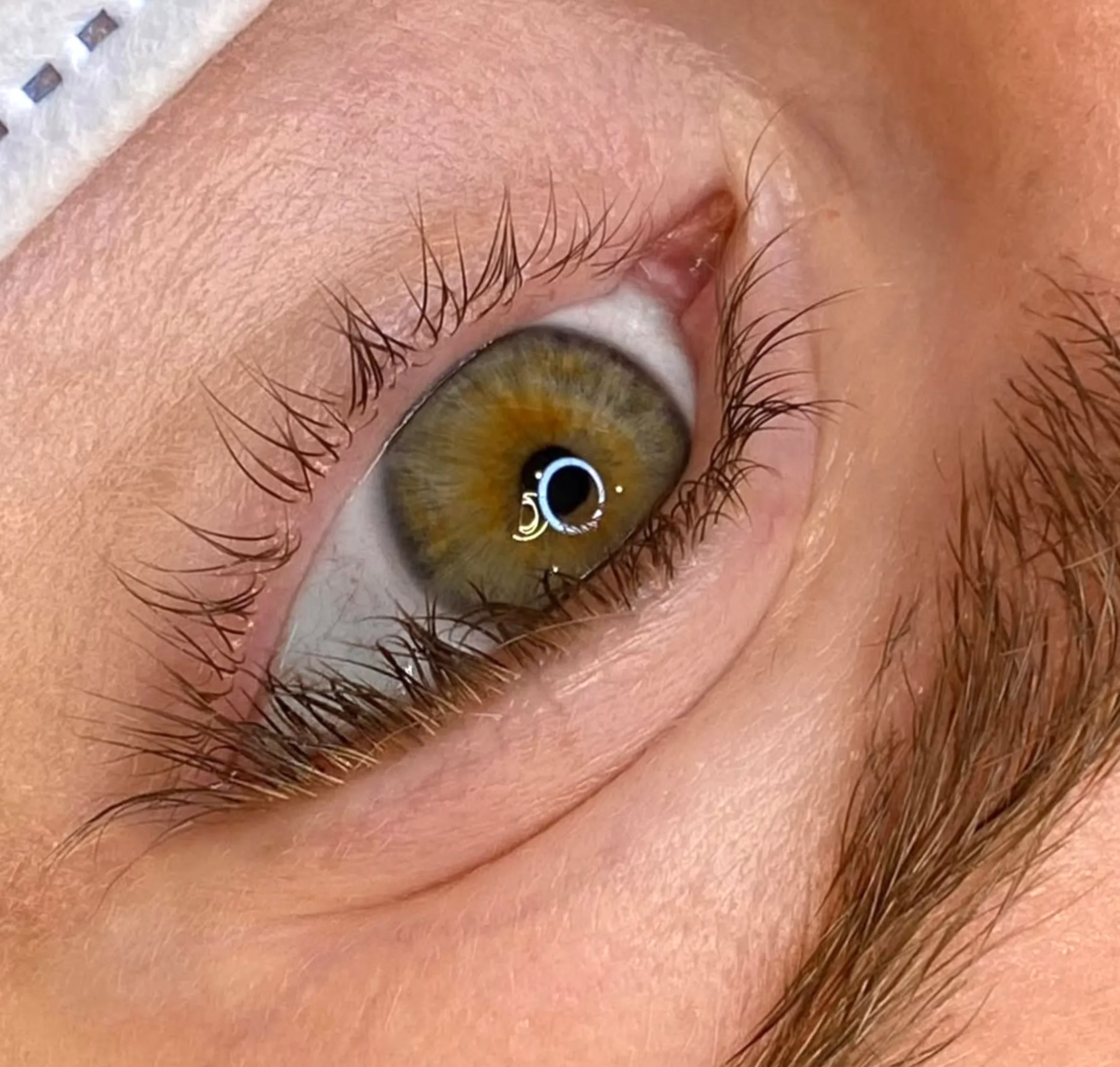
One of my clients, a nurse from St Kilda, had dry eyes worsened by contact lenses and long hospital shifts. We created an invisible liner effect with a semi-permanent eyeliner tattoo. Six weeks later, she told me her eyes felt less irritated without daily eyeliner pencils, and her colleagues thought she was simply more rested. That’s the subtle magic of a safe, well-done cosmetic tattoo.
Pricing for Permanent Eyeliner in Melbourne
In Melbourne, semi-permanent eyeliner tattooing ranges from $400–$900, depending on whether you want a lash enhancement, invisible liner or winged design. Prices reflect tattoo artist expertise, pigment formulations, and whether touch-up appointments are included. At Cosmetic Tattoo Studio Melbourne Face Figurati, we include one follow-up visit 6–8 weeks later to correct pigment diffusion or ink migration if needed. If you’re considering training, investing in a high-quality eyeliner tattoo course also means artists charge fairly for safe and professional services.
Key Takeaways on Eye Safety
- Permanent eyeliner tattoos are safe when performed by a licensed tattoo artist following hygiene protocols.
- Risks like corneal abrasions, eye infections and allergic reactions exist but are rare.
- Long-term damage like corneal ulcers or vision loss is extremely unlikely compared to ocular surface tattooing like scleral tattoos.
- Proper aftercare instructions prevent bacterial infections, pigment migration and complications with tear film stability.
Final Reflection — Book That Appointment?
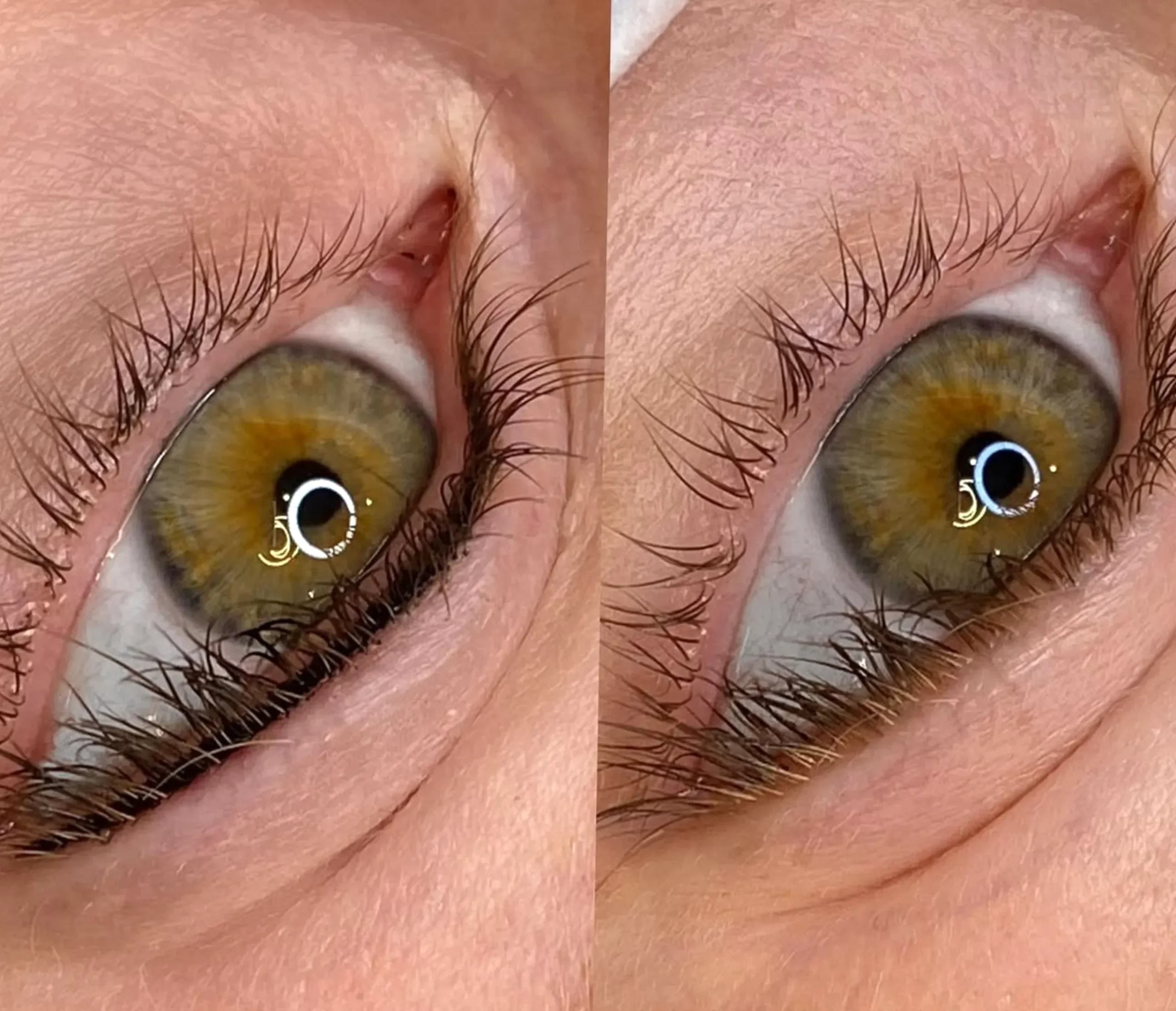
So, can an eyeliner tattoo damage the eyes? Yes, there are risks, but under safe conditions, those risks are minimal. With correct tattoo machine technique, sterile ink formulations and strict aftercare guidelines, the chances of ocular injuries or long-term damage are very low. If you’re tired of uneven wings, irritated eyes from cosmetic products or struggling with skin sensitivities, semi-permanent eyeliner tattooing may be the safer option you’ve been looking for.
At Cosmetic Tattoo Studio Melbourne Face Figurati, consultations are always available — sometimes the best way to make your decision is to sit down, talk through your concerns and map out what will suit your eye shape and lifestyle best.
FAQ
Can eyeliner tattooing cause permanent vision loss?
Extremely rare. Complications like corneal ulcers or visual impairment can occur if performed by untrained artists, but licensed professionals minimise this risk.
What if I wear contact lenses?
You’ll need to remove them during the tattooing process and avoid wearing them for several days after to protect tear film stability and healing.
Can I have an allergic reaction to the tattoo pigments?
Yes, some clients may react to certain ink pigments. A patch test helps identify skin sensitivities before the procedure.
How do I reduce the chance of infection?
Follow aftercare instructions closely: keep the area clean, avoid foreign substances like mascara or cosmetic products and don’t rub your eyes.
Are eyeliner tattoos the same as conjunctival tattoos or scleral tattoos?
No. Eyeliner tattooing places pigment in the skin of the lash line. Ocular surface tattooing, like conjunctival tattooing or scleral tattoos, involves injecting ink into the eye’s anterior segment — a much riskier procedure with higher risk of inflammatory response and scar formation.